Week 9: March 2-8
March 2, 1853
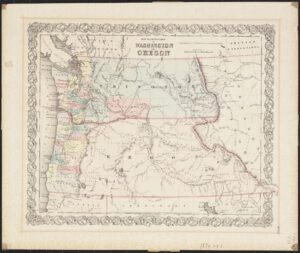
On this day, U.S. President Millard Fillmore signed a bill creating the Territory of Washington out of the Territory of Oregon.
The new territory’s boundaries are: north, 49 degree North Latitude; south, approximately due east from the mouth of the Columbia River; east, the Rocky Mountains; west, the Pacific Ocean.
The eastern part of the territory would later become part of the states of Idaho and Montana.
March 2, 1899
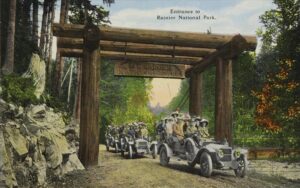
On this day, both houses of the United States Congress passed legislation creating Mount Rainier National Park, dominated by the glacier-capped, 14,411-foot mountain located in Pierce County.
The park is the country’s fifth national park.
For years, civic leaders in Tacoma wanted to rename the mountain Mount Tacoma or Tahoma, the Indigenous name for the peak, but Seattle leaders fought for it to remain Rainier.
In the 1930s, the Rainier faction won this battle.
March 2, 1911
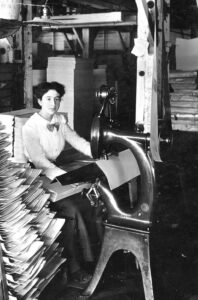
Throughout the day’s session, Washington State senators considered House Bill 12/Senate Bill 74, limiting women’s employment to eight hours a day.
A ten-hour day was the state standard, with women primarily employed in the fisheries, canneries, laundries, breweries, hotels, restaurants, and confectioneries.
The bill gained Senate approval, but only with an exclusion of fishery and cannery workers.
Washington state became one of the first in the nation to grant women an eight-hour workday.
March 2, 1964
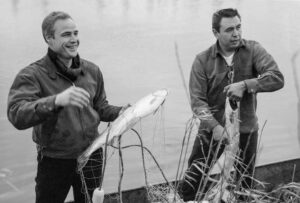
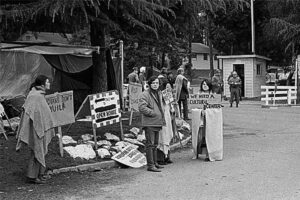
On this day, Native Americans protest the denial of treaty rights by fishing in defiance of state law. Inspired by sit-ins of the civil rights movement, Actor Marlon Brando, Episcopal clergyman John Yaryan from San Francisco, and Puyallup tribal leader Bob Satiacum caught salmon in the Puyallup River without state permits.
The action was called a fish-in and resulted in the arrest of Brando and the clergyman. Satiacum is not arrested. The Pierce County Prosecutor refuses to file charges, and Brando and Yaryan were released.
March 1943
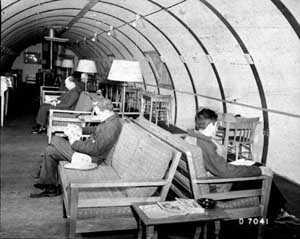
On this day, the U.S. Army Corps of Engineers began construction of the massive and top-secret Hanford Engineer Works along the Columbia River in Benton County.
In less than two years, a construction crew that peaked at 51,000 workers constructed three nuclear reactors and many other facilities, along with a new “government city” at Richland.
Plutonium produced at the Hanford reactors was used in the first ever atomic explosion at Alamagordo, New Mexico, and in the atomic bomb dropped on Nagasaki, Japan.
March 6, 1918
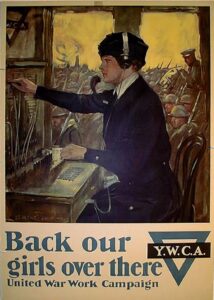
On this day, Helen Agnes Naismith, a University of Washington graduate, boarded the troopship Celtic bound for army service in France along with the 32 other women of Unit 1, Signal Corps Female Telephone Operators.
Generally called “Hello Girls,” the Army Signal Corps women will operate the American Expeditionary Forces telephone system during and after World War I combat.
At home, women jumped at the opportunity to serve. Five hundred enlisted, and 223 would serve overseas. The women were enlisted in the army and were subject to military rules and regulations, but they would be denied veteran status after the war.
Signal Corps Female Telephone Operators veteran Merle Egan Anderson of Seattle would lead a 50-year effort for the women to obtain military recognition, and in 1979, surviving World War I telephone operators would receive official honorable discharges recognizing their military service.
March 7, 1892
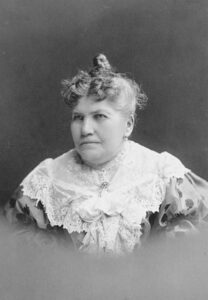
On this day, Esther Levy called together 37 women to form the Ladies Hebrew Benevolent Society, Seattle’s first Jewish welfare society. She and her daughter, Lizzie Cooper, were the prime movers of the society.
The society incorporated and was the predecessor of the Puget Sound area’s Jewish Family Service. In 1900, Lizzie Cooper would succeed her mother as president of the board.
March 8, 1970
On this day, about 100 members and sympathizers of the United Indian People’s Council (later United Indians of All Tribes) confronted the 392nd Military Police Company, who were armed with riot gear, while attempting to claim part of Fort Lawton, a 1,100-acre army post in Seattle’s Magnolia neighborhood.
The United Indians, who were armed with sandwiches, sleeping bags, and cooking utensils, want to create a cultural center for Indians and Alaska natives. They were evicted but set up camp outside the base.
The protestors, who were led by Bob Satiacum, a Puyallup, include Bernie Whitebear of the Colville Confederated Tribe, Leonard Peltier, who went on to become an American Indian Movement activist and one of America’s best-known prisoners, and actor Jane Fonda.
March 8, 2008
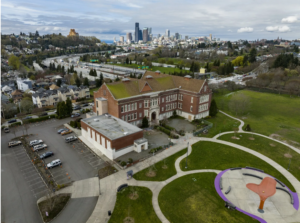
On this day, the Pacific Northwest African American Museum opened, welcoming an estimated 3,000 visitors. The museum, housed in Seattle’s old Colman School building at 2300 S Massachusetts Street, celebrated its debut with a morning ribbon-cutting ceremony that included Governor Christine Gregoire, U.S. Senator Maria Cantwell, U.S. Representative Jim McDermott, Seattle Mayor Greg Nickels, King County Executive Ron Sims, and King County Councilman Larry Gossett.
The Rev. Samuel McKinney of the Mount Zion Baptist Church offered a prayer, and Executive Director Carver Gayton and Deputy Director Barbara Earl Thomas spoke to the crowd about the long road from the museum’s inception to its opening.
This post is in partnership with HistoryLink, and Warren Seyler, former chairman Spokane Tribe of Indians, the Black Muse Resource Center, and the Living Arts Cultural Heritage.
We encourage you to engage in further research through your local historic societies, museums, archives, and community.