Week 6: February 9-15
February 10, 1890
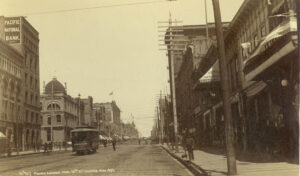
On this day, Tacoma’s first electric trolley cars zipped along the city streets as crowds cheered.
“The multitudes lifted up their voices and cheered until every throat was parched” (Hunt, 473). Hundreds of people are given free rides. The following Sunday, 4,000 people ride the new trolley cars.
Tacoma’s electric trolly cars would remain until 1938.
February 12, 1974
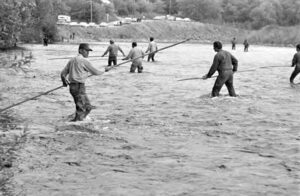
On this day, Federal Judge George Boldt issued an historic ruling stating native tribes were entitled to 50% of the fish harvests in Washington. This landmark decision, finalized on Feb 12, affirmed tribal sovereignty and rights to natural resources.
At the same time Judge Boldt denied landless tribes — among them the Samish, Snoqualmie, Steilacoom, and Duwamish — federal recognition and treaty rights.
February 13, 1992
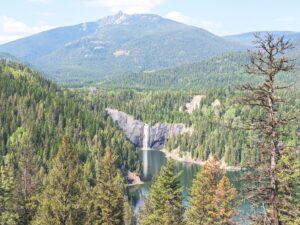
On February 13, 1992, seven environmental groups file a lawsuit seeking to block a U.S. Forest Service plan to log 123 million board feet of timber annually in the Colville National Forest. This is a significant increase over the historic average of 80 million.
The lawsuit will never go to court, but the environmental groups will soon spearhead a series of appeals through a new environmental initiative called Forest Watch that will have a dampening effect on logging. Logging on the Colville will soon go down from “80 million board feet per year to 15 million” (Whitesell).
February 15, 2000
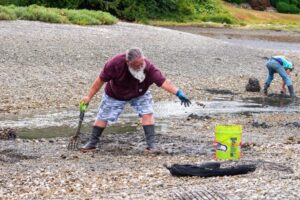
On this day, members of the Suquamish Tribe dug about 2,000 pounds of Manila clams at Erlands Point, on Bremerton, Kitsap County.
This is the first Native American commercial clam dig on private non-Indian land since in December 1994, U. S. District Judge Edward Rafeedie upheld Native American rights to fish and take shellfish from “usual and accustomed grounds” as specified in the 1855 Point No Point Treaty.
No date – 1892
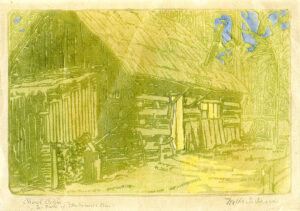
In 1892, Native Americans organize the Indian Shaker Church.
The first Shaker Church was built at Shaker Point opposite the Squaxin Island Indian Reservation in South Puget Sound. From 1883 to 1932, the movement spread throughout the Northwest. In 1910, the members incorporated under the laws of the state of Washington.
By 1996, the movement encompassed approximately 21 congregations and 3,000 members in Washington, Oregon, Northern California, and British Columbia.
This post is in partnership with HistoryLink, and Warren Seyler, former chairman Spokane Tribe of Indians, the Black Muse Resource Center, and the Living Arts Cultural Heritage.
We encourage you to engage in further research through your local historic societies, museums, archives, and community.