Week 24: June 15-21
June 15, 2022
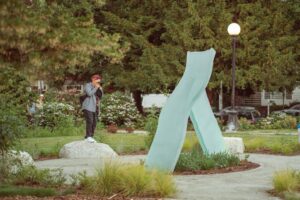
On this day, the final piece of artwork comprising the AIDS Memorial Pathway was installed. The public art, along with digital stories, images, and interactive experiences, are intended to build community awareness, commemorate lives lost, and serve as a reminder of the ongoing fight to end HIV/AIDS. The Pathway project was initiated in 2015 by Seattle City Councilmember Tom Rasmussen and carried out by a committed group of volunteers and community leaders, including individuals living with HIV, people of color, and members of the LGBTQIA+ community. The art is located on the north side of Seattle’s Cal Anderson Park on Capitol Hill and on the public plaza of the Capitol Hill Light Rail Station.
June 16, 1918
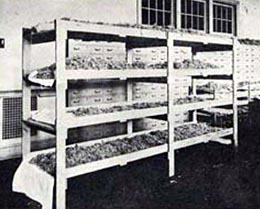
On this day, several hundred South Bend and Raymond residents traveled to the Tokeland area and gathered 775 sacks of sphagnum moss for bandages to be sent to the front lines of World War I. Local Red Cross volunteers organize the effort to aid Allied armies facing a shortage of cotton. The pickers traveled by scow to North Cove, on the northern shore of Willapa Bay, and spent the day gathering the moss from damp areas where it grows profusely in Pacific County’s rainy climate.
June 19, 1890
On this day, African American families from Seattle and Tacoma gather in Kent to celebrate, for the first time, the adoption of the 15th Amendment to the United States Constitution, which enfranchises persons of color.
This celebration, sponsored by the Sons of Enterprise, was the first Pacific Northwest observance of what is known to African Americans as “Juneteenth.”
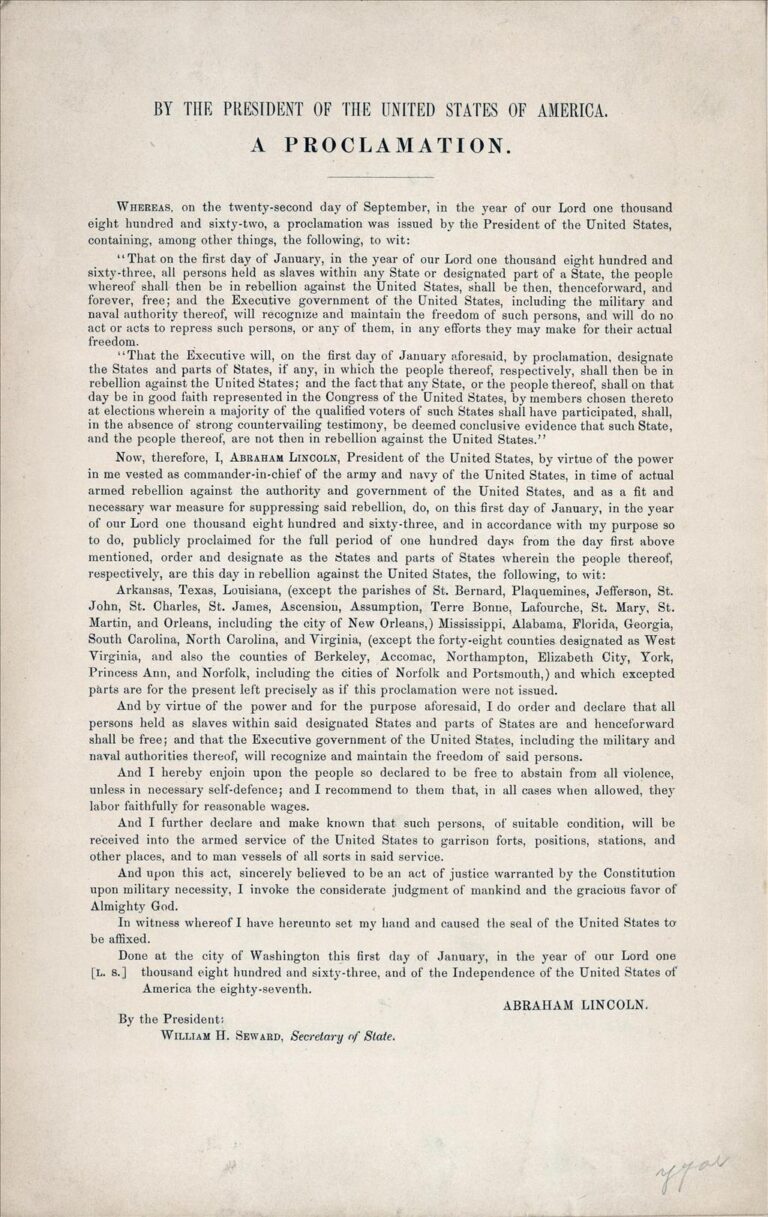
Juneteenth celebrates the issuance of General Order No. 3 by Union Major General Gordon Granger on June 19, 1865 at Galveston, Texas. The order announced the Emancipation Proclamation and that ex-slaves had “absolute equality of personal rights and rights of property.
June 20, 1917
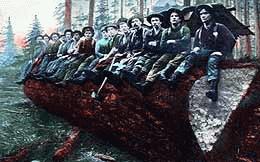
On this day, the Spokane-based Lumber Workers Industrial Union No. 500, IWW, formally began what would become a massive loggers’ strike. The radical union called the strike in the midst of an epidemic of small, spontaneous strikes throughout the “short-log” region (the pine log region east of the Cascades). Within two weeks, logging operations within this region would cease. In another two weeks, the strike, which demanded the eight-hour day and improved conditions in logging camps, would spread to Western Washington.
This post is in partnership with HistoryLink, and Warren Seyler, former chairman Spokane Tribe of Indians, the Black Muse Resource Center, and the Living Arts Cultural Heritage.
We encourage you to engage in further research through your local historic societies, museums, archives, and community.